
 English
 Pусский
 العربية
 Tiếng Việt
 中文
中文
Puerta de seguridad con aislamiento térmico
Heat Insulating Safety Door: Features and Benefits A heat insulating safety door is a critical component in environments where fire resistance, thermal insulation, and structural integrity are essential. Designed to withstand high temperatures, these doors provide a barrier against heat transfer, smoke, and flames, ensuring safety in industrial, commercial, and residential settings. Key Features 1. Fire Resistance Heat insulating safety doors are constructed with fire-resistant materials such as steel, aluminum, or composite cores filled with insulating substances like mineral wool or vermiculite. These materials delay heat penetration, maintaining structural stability during a fire. 2. Thermal Insulation The door’s core is engineered to minimize heat transfer, protecting adjacent areas from extreme temperatures. This feature is vital in facilities like laboratories, factories, or server rooms where temperature control is crucial. 3. Smoke and Gas Sealing Equipped with intumescent seals, these doors expand when exposed to heat, sealing gaps to prevent smoke and toxic gases from spreading. This enhances evacuation time and reduces health hazards. 4. Durability and Strength Reinforced frames and high-quality hinges ensure the door remains operational under stress. Some models include impact-resistant designs for added security in hazardous environments. 5. Certifications and Standards Reputable heat insulating safety doors comply with international standards such as UL, EN, or BS, guaranteeing performance under rigorous testing conditions. Applications - Industrial Facilities: Protects machinery and personnel in high-heat zones like foundries or chemical plants. - Commercial Buildings: Installed in stairwells, corridors, and server rooms to compartmentalize fire risks. - Residential Use: Enhances safety in apartments or homes, particularly in garages or basements near heat sources. Advantages - Life Safety: Slows fire spread, providing critical time for evacuation and emergency response. - Energy Efficiency: Reduces heat loss in climate-controlled environments, lowering energy costs. - Low Maintenance: Corrosion-resistant coatings and robust materials ensure long-term reliability. Conclusion A heat insulating safety door is an indispensable solution for fire protection and thermal management. Its advanced design, compliance with safety standards, and versatility make it a vital investment for any property prioritizing safety and efficiency. Whether for industrial or residential use, these doors deliver unmatched protection against heat-related hazards.
Producto
Categoría:
-
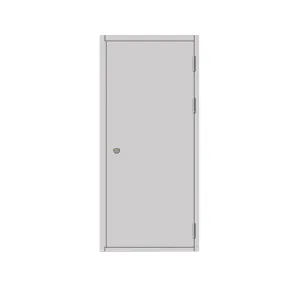
Puertas de acero resistentes al fuego y termoaislantes.
Su clasificación: puertas cortafuegosVistas: 113Número:Tiempo de liberación: 2025-09-22 17:25:23Las puertas de acero resistentes al fuego y con aislamiento térmico ofrecen una sólida protección contra el fuego y al mismo tiempo minimizan la transferencia de calor, lo que las hace ideales para edificios industriales, comerciales y residenciales. Construidas con paneles de acero reforzado y núcleos aislantes avanzados, estas puertas evitan la propagación de llamas y humo al tiempo que mantienen la eficiencia de la temperatura interior. Diseñados para mayor durabilidad y áreas de alto tráfico, cuentan con un funcionamiento suave, sistemas de bloqueo seguro y herrajes antipánico opcionales, lo que garantiza seguridad, eficiencia energética y cumplimiento de los estándares internacionales de construcción y contra incendios.
Noticias
Categoría:
¡Sin resultados de búsqueda!
Caso
Categoría:
¡Sin resultados de búsqueda!
Video
Categoría:
¡Sin resultados de búsqueda!
Descargar
Categoría:
¡Sin resultados de búsqueda!
Reclutamiento
Categoría:
¡Sin resultados de búsqueda!
Productos recomendados
¡Sin resultados de búsqueda!



 Teléfono